
Stop Dentures From Slipping When You Eat
Denture implants at Gabrielle Dental in Valley Cottage secure your dentures so they stay in place during chewing and speaking.
If your dentures shift when you eat or require constant adhesive in Valley Cottage, you are working harder than you should to keep them stable. Traditional dentures rest on your gums and move as bone shrinks over time. Gabrielle Dental uses implant-supported dentures that attach to anchors placed in your jaw, eliminating movement and restoring the chewing efficiency you had with natural teeth.
Implant placement is planned using digital guides to position anchors in areas with sufficient bone. Once implants integrate, your dentures snap or screw into place, preventing slipping and reducing pressure on your gums. Integrated restorative follow-up ensures that implants remain stable and that your dentures continue to fit properly as you heal.
If you want to understand how implant-supported dentures work and what the process involves in Valley Cottage, learn more by contacting our team.
Our Services
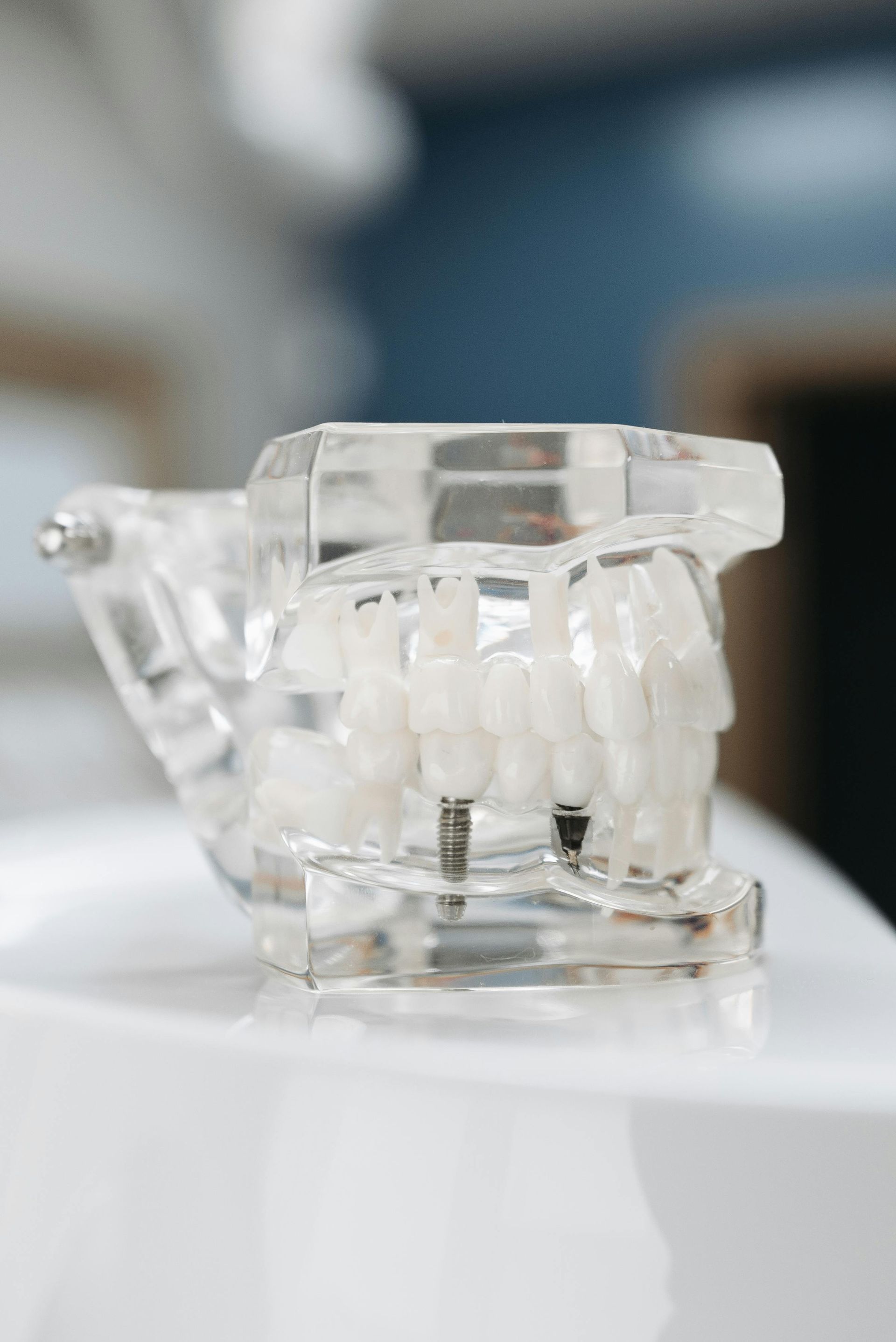
How Implants Hold Dentures Without Movement
We begin with digital imaging to assess bone levels and plan implant placement in Valley Cottage. Implants are positioned surgically, and your existing dentures are modified or new ones are made to attach to the implants once healing is complete. Temporary solutions keep you functional during the integration period.
After implants are placed, your dentures lock into position and stay stable while you eat, talk, and laugh. You will notice that you can bite into firmer foods without your dentures lifting, and you will not need adhesive to keep them secure. Chewing feels more natural because implants distribute pressure the way tooth roots did before you lost your teeth.
We monitor implant integration and adjust your dentures as your gums heal and settle. Follow-up care is built into your treatment plan to ensure long-term stability. This service does not replace individual missing teeth with separate implants, but it does anchor full or partial dentures so they function without constant repositioning.
What You Should Know Before Choosing Implants
People considering implant-supported dentures usually ask about the process, healing time, and how implants improve daily function compared to traditional dentures.
Traditional dentures do not stop bone shrinkage, and movement increases as your gums change shape over time. Gabrielle Dental uses digitally guided implant placement and integrated restorative care to secure your dentures and restore chewing efficiency without adhesive. If you are ready to stop repositioning your dentures every time you eat, get in touch to schedule a consultation.