
Restore Damaged Teeth Without Losing Structure
Custom inlays and onlays provide precise repair for moderate tooth damage in Valley Cottage, New York.
When decay or damage extends beyond what a standard filling can repair but does not require the complete coverage of a crown, you need a restoration that fits the exact space and preserves the healthy tooth around it. If you live in Valley Cottage, you already know that finding dental care that prioritizes keeping your natural tooth intact matters when the alternative involves removing more structure than necessary. Inlays and onlays allow you to keep more of your original tooth while still addressing cavities, fractures, or worn areas that compromise function and comfort.
Gabrielle Dental uses digital impressions to design restorations that fit precisely within or over the damaged portion of your tooth. An inlay fits inside the cusps of the tooth, while an onlay extends over one or more cusps when the damage covers a larger area. Both are fabricated from durable materials that match the color and translucency of your natural enamel, so the repair blends in without standing out. The process typically requires two visits: one to prepare the tooth and take impressions, and another to bond the finished restoration in place.
If you have a tooth in Valley Cottage that needs more than a filling but you want to avoid a full crown, reach out to discuss whether an inlay or onlay is the right fit.
Our Services
What Happens During the Two Appointments
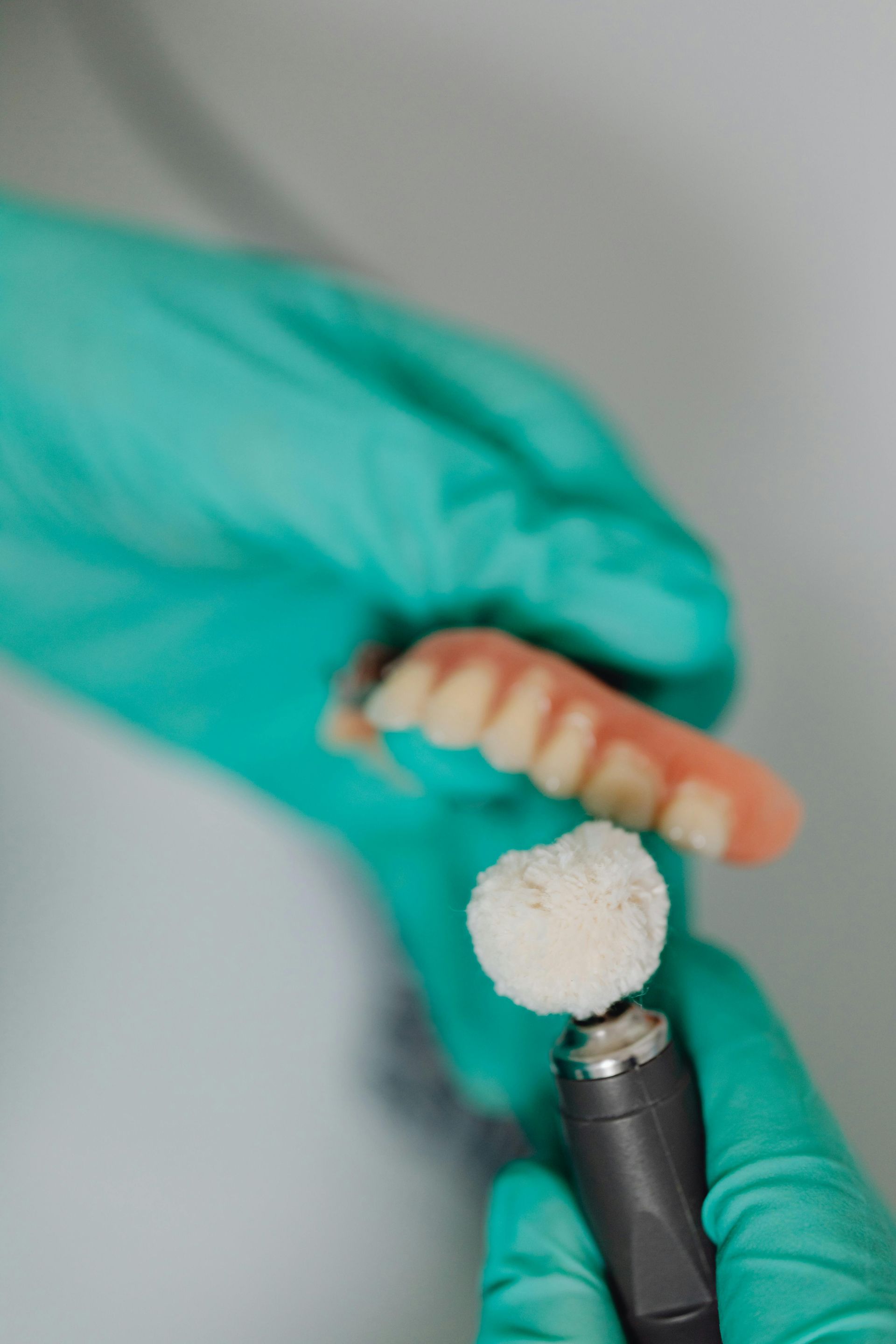
Your first visit involves removing the damaged or decayed portion of the tooth and shaping the remaining structure to hold the restoration securely. Gabrielle Dental takes digital impressions that capture the exact contours of the prepared area, which are then used to fabricate your inlay or onlay in a dental lab. A temporary covering protects the tooth while the custom piece is created, which usually takes one to two weeks.
Once the restoration arrives, you return for the bonding appointment. The temporary is removed, the tooth surface is cleaned and conditioned, and the inlay or onlay is placed using a strong adhesive resin. After the bond sets, the restoration is polished and adjusted so your bite feels even and comfortable. You will notice that the repaired tooth looks natural and feels smooth when you run your tongue over it, and you can chew on it without hesitation once the adhesive fully cures.
Inlays and onlays are made from materials that resist staining and wear, so they hold up well under normal chewing forces. They do not replace the need for regular brushing and flossing, and they work best when the surrounding tooth structure is sound enough to support the restoration. If the damage extends too far below the gum line or involves multiple surfaces, a crown may still be necessary.
You probably have a few questions before moving forward
Most people want to understand how this type of restoration differs from other options and what to expect during the process. Here are answers to the questions that come up most often before scheduling.
Gabrielle Dental uses digital impressions and lab-fabricated restorations to ensure each inlay or onlay fits precisely and looks natural. If you have a tooth that needs repair and want to preserve as much of the original structure as possible, contact the office to schedule an evaluation and discuss whether this option is right for you.